
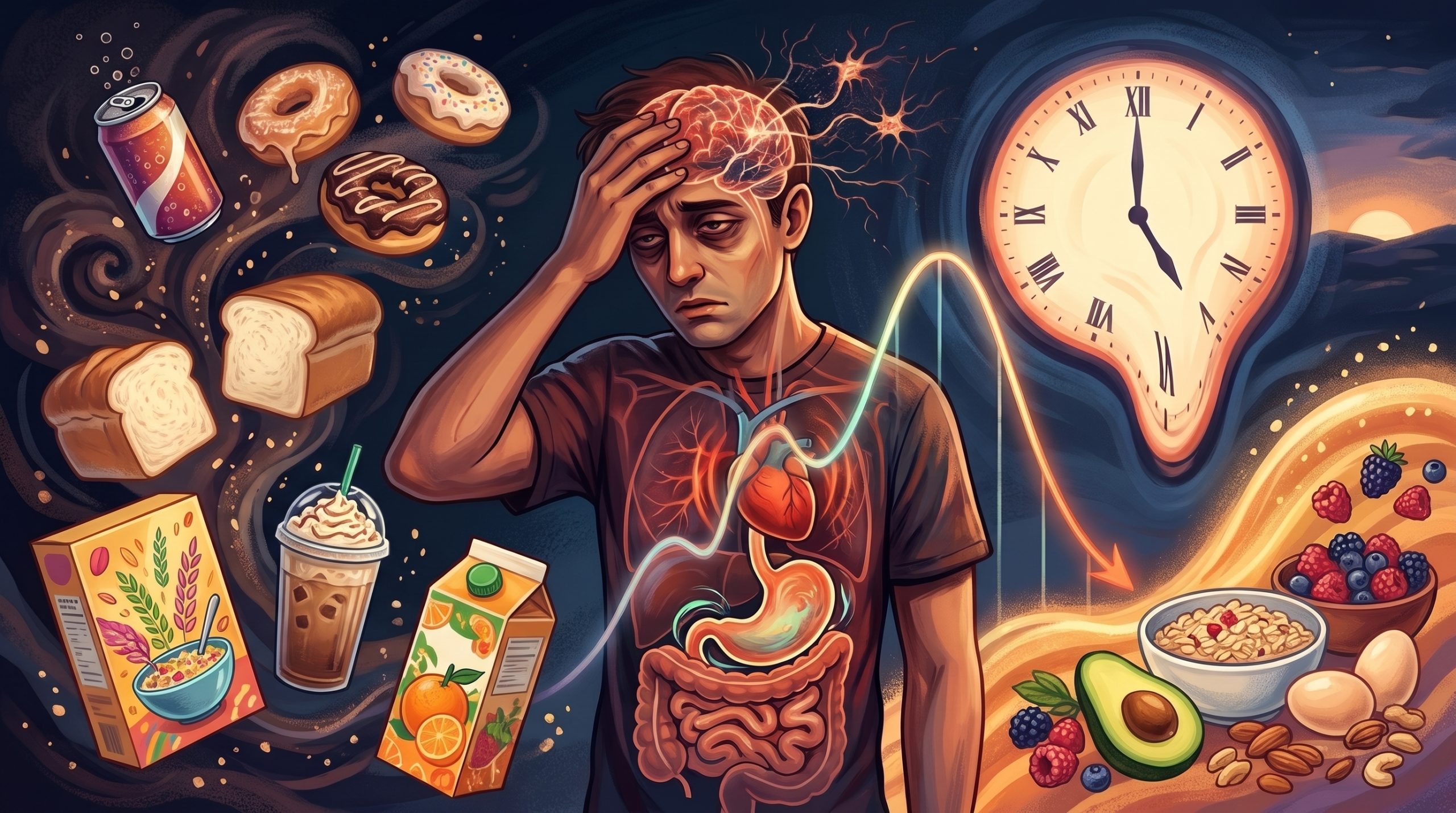
You eat breakfast, grab a coffee, and push through a busy morning, yet by mid-afternoon your eyelids feel heavy and your focus has vanished. It is easy to blame a bad night of sleep, but the real culprits may be sitting on your plate. Some of the most common foods that cause fatigue look healthy, and many of us eat them every day.
The good news is that you do not need a strict diet or expensive supplements to feel better. A few smart changes can help steady your energy from morning to night. Let us look at five everyday choices that may be draining you, and the simple swaps that can fix them.
Why Some Foods Drain Your Energy
Before naming names, it helps to understand how energy-draining foods work. Your body runs on glucose, a simple sugar that comes from the carbohydrates you eat. When you eat something that digests quickly, glucose floods your bloodstream all at once. Your pancreas responds by releasing insulin to move that sugar into your cells.
That rapid rise is called a blood sugar spike, and it often feels great for a short time. You get a burst of alertness and mood. But the insulin response can overshoot, pulling your blood sugar down below where it started. The result is the familiar crash: tiredness, irritability, brain fog, and a strong craving for another quick fix.
This cycle is why foods that drain your energy are rarely the ones that taste unpleasant. They are usually the sweet, soft, convenient options that are easy to eat quickly.
1. Sugary Drinks and the Energy Crash
Soda, sweetened teas, energy drinks, and bottled lattes top the list for good reason. Liquid sugar is absorbed faster than almost any other food, because there is no fiber, fat, or protein to slow it down. A single large bottle can contain more sugar than health authorities recommend for an entire day.
The link between sugary drinks and energy crash is well known to anyone who has felt a slump an hour after a sweet beverage. You feel a lift, then your energy falls just as quickly.
The easy swap: Replace sweet drinks with water, sparkling water with a slice of citrus, or unsweetened iced tea. If you crave sweetness, try infusing water with berries or mint. Gradually lowering sugar in your drinks lets your taste buds adjust within a few weeks.
2. White Bread and Pastries
A soft white roll, a croissant, or a sweet pastry feels comforting and quick. But these foods are made mostly from refined carbohydrates, meaning the bran and germ of the grain have been stripped away. What remains digests rapidly and behaves a lot like sugar in your body.
Because white bread and pastries contain little fiber, they do not keep you full for long. You may feel satisfied for an hour, then hungry and sluggish again. Many bakery items also contain added sugar and refined fats, which makes the effect even more dramatic.
The easy swap: Choose bread made with whole grains and fiber, such as whole wheat, rye, or sprouted grain varieties. Look for a label that lists a whole grain as the first ingredient. Pair your toast with eggs, nut butter, or avocado to slow digestion even further.
3. Sugary Breakfast Cereal
Breakfast sets the tone for your day, which makes sugary breakfast cereal one of the sneakiest energy thieves. Many boxes marketed as wholesome or fortified with vitamins contain several teaspoons of sugar per serving. Add a splash of milk and a glass of juice, and your morning begins with a sharp sugar surge.
The easy swap: Try plain oatmeal topped with fruit and nuts, or unsweetened cereal with a handful of seeds. Greek yogurt with berries and chopped almonds is another great choice. Aim for a breakfast that combines fiber, protein, and healthy fat, since that mix digests slowly and supports your focus.
4. Flavored Coffee Drinks
Coffee itself is not the villain. In moderate amounts, it can sharpen attention and even offer health benefits. The trouble starts when coffee becomes a dessert in a cup. Flavored coffee drinks loaded with syrup, whipped cream, and sweetened creamers can contain as much sugar as a candy bar.
These drinks deliver a double effect. The caffeine gives you a temporary lift, while the sugar triggers a spike and drop. When both wear off together, the crash can feel especially intense. Too much caffeine late in the day can also interfere with sleep, which leaves you even more tired the next morning.
The easy swap: Order your coffee with less syrup, or switch to a plain latte, americano, or black coffee with a splash of milk. Add cinnamon or vanilla for flavor without the sugar load. Try to finish your last cup by early afternoon to protect your sleep.
5. Fruit Juice and Added Sugar
Fruit juice sounds like a healthy choice, and it does provide some vitamins. However, when you drink juice rather than eat whole fruit, you lose most of the fiber that slows sugar absorption. A glass of orange juice may contain the sugar of several oranges, yet it takes seconds to drink and does little to fill you up.
Bottled juices and juice cocktails also contain fruit juice and added sugar, which pushes the sugar content even higher. For your energy, this can look a lot like soda, only with a more flattering label.
The easy swap: Eat the whole fruit instead. An orange, apple, or handful of berries gives you fiber, water, and a slower release of sugar. If you enjoy juice, keep the portion small and dilute it with water or sparkling water.
The Hidden Culprit: Ultra-Processed Foods
Beyond these five, a broader category deserves attention. Ultra-processed foods, including packaged snacks, instant noodles, frozen meals, and many store-bought sauces, are designed to be convenient and highly tasty. They are often high in refined starch, sugar, salt, and additives, and low in fiber and protein.
Spotting Hidden Sugar in Packaged Foods
You may be surprised where sugar lurks. Hidden sugar in packaged foods turns up in pasta sauce, granola bars, flavored yogurt, salad dressing, and bread. Manufacturers use many names for it, including syrup, dextrose, maltose, and concentrate.
Understanding the Afternoon Energy Slump
Nearly everyone has met the afternoon energy slump, that heavy feeling around two or three o’clock. Part of it is natural, because your body clock includes a mid-afternoon dip in alertness. But what you ate for lunch can make it much worse.
How to Boost Energy With Food
If you want to know how to boost energy with food, think about building meals that digest slowly and deliver steady fuel. You do not need to give up everything you enjoy. You simply want to shift the balance toward nourishing choices most of the time.
Choose Sustained Energy Foods
Sustained energy foods share a few traits: they are rich in fiber, include some protein, and contain healthy fats. Good examples include oats, beans, lentils, nuts, seeds, eggs, fish, leafy greens, sweet potatoes, and berries. These foods release their energy gradually, which helps you avoid the roller coaster of spikes and crashes.
Make Whole Grains and Fiber a Habit
Foods rich in whole grains and fiber slow the absorption of sugar and keep your digestive system running smoothly. Swap white rice for brown rice or quinoa, and choose whole grain pasta or bread when you can. Fiber also feeds the healthy bacteria in your gut, which may support mood and overall wellbeing.
Add Protein for Steady Energy
Protein for steady energy is one of the easiest upgrades you can make. Including eggs, yogurt, chicken, tofu, beans, or fish in your meals slows digestion and helps you feel full longer. Even a small amount at breakfast and a protein-rich snack in the afternoon can make a noticeable difference.
Build Balanced Meals
Aim for balanced meals that combine fiber-rich carbohydrates, protein, healthy fats, and plenty of vegetables. A simple visual guide is to fill half your plate with vegetables, a quarter with protein, and a quarter with whole grains or starchy vegetables, then add a little healthy fat.
Healthy Food Swaps You Can Start Today
Lasting change comes from small, realistic steps. These healthy food swaps are easy to start this week:
- Swap soda for sparkling water with citrus.
- Swap white bread for whole grain bread with eggs or avocado.
- Swap sugary cereal for oatmeal with fruit and nuts.
- Swap flavored coffee drinks for a plain coffee with a splash of milk.
- Swap fruit juice for a piece of whole fruit.
- Swap chips for a handful of nuts or hummus with vegetables.
Stay Hydrated for Energy
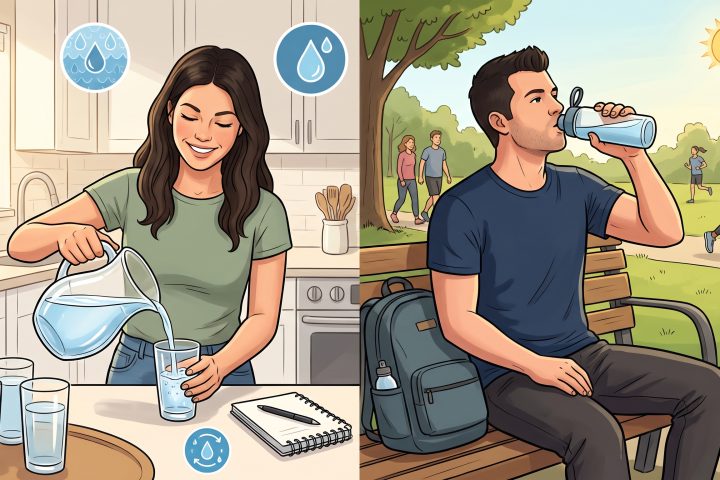
Dehydration is a surprisingly common cause of tiredness. Even mild fluid loss can affect concentration, mood, and physical performance. If you often feel drained, make sure you stay hydrated for energy by drinking water regularly throughout the day, especially in warm weather or after exercise.
When Fatigue Is More Than Food
Food is only one piece of the puzzle. Poor sleep, stress, lack of exercise, and medical conditions such as anemia, thyroid problems, diabetes, or sleep apnea can all cause tiredness. If you feel exhausted despite eating well and sleeping enough, speak with a doctor.
This article offers general information and is not medical advice. A healthcare professional can run tests and help you find the true cause of your fatigue.
Conclusion: Small Swaps, Steadier Energy
The foods that cause fatigue are often the very ones that seem convenient, comforting, and harmless. Sugary drinks, white bread and pastries, sugary cereal, flavored coffee drinks, and fruit juice may give you a quick lift, but they can leave you running on empty a few hours later.
The solution is not perfection. It is making a few thoughtful swaps toward fiber, protein, and whole foods, drinking enough water, and paying attention to how your body responds. Choose one swap today, notice how you feel, and build from there. Your energy will thank you.
Comments are for Silver members and up
Join the community to share your thoughts. Members keep the discussion friendly and spam-free.