


Panama’s Position and Regional Implications
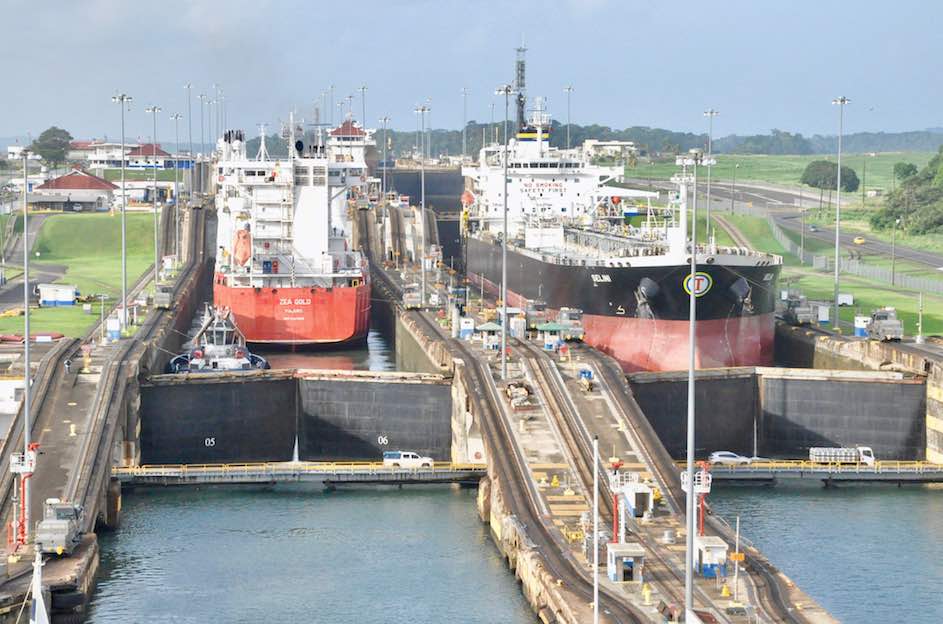
Panama’s government has historically maintained that the canal remains under its sovereign control, dismissing claims of external dominance.
Nevertheless, the nation has recently signaled a shift in its foreign policy by opting out of China’s Belt and Road Initiative, a decision influenced by U.S. diplomatic pressure and security considerations.
The port acquisition deal requires approval from Panamanian authorities, a process that will be closely monitored given the canal’s economic and strategic importance.
The transaction underscores the intricate interplay between commercial interests and geopolitical strategies in the region, reflecting broader concerns about infrastructure control and national sovereignty.
Read: Severe Weather Threatens Central and Southern U.S.
Market and Corporate Reactions
In response to the announcement, CK Hutchison’s shares surged by over 22%, reflecting investor optimism regarding the divestment.
The conglomerate is expected to receive more than $19 billion in cash from the sale, after accounting for loan repayments.
CK Hutchison has characterized the transaction as a strategic business decision, distancing it from the prevailing geopolitical tensions between the U.S. and China.
BlackRock, alongside its partners Global Infrastructure Partners and Terminal Investment Limited, has yet to disclose detailed plans for the newly acquired assets.
However, the consortium’s control over key maritime gateways is anticipated to bolster U.S. influence in global shipping routes and may recalibrate the balance of power in international trade logistics.
As the deal progresses through regulatory approvals and operational transitions, stakeholders worldwide will be observing its implications for global trade, regional politics, and the future governance of critical infrastructure assets.


