
Most major car repairs do not come out of nowhere. They grow from small neglected problems: low oil, worn tires, a failing battery, a warning light ignored for months. The good news is that basic care is inexpensive and does not require advanced mechanical skills. These habits can extend your car’s life and protect your wallet.
1. Follow the owner’s manual
Your manual lists the maintenance schedule designed for your specific car, including oil types and service intervals. It is more reliable than general advice from friends or social media. Keep it in the glove box.
2. Check your oil regularly
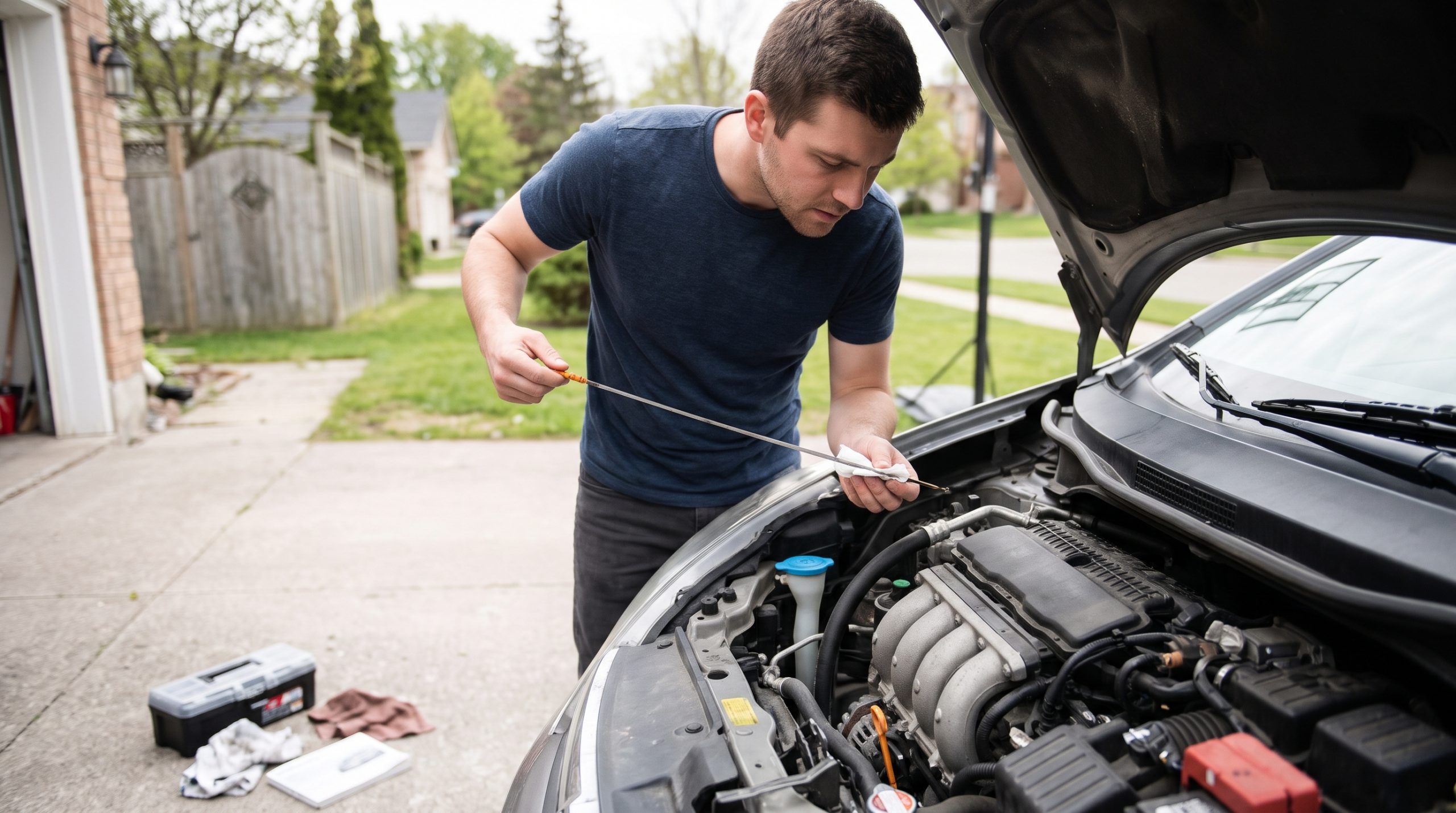
Oil lubricates and cools the engine. Low or dirty oil can lead to severe damage. Once a month, with the engine off and the car on level ground, pull the dipstick (if your car has one) and check the level and color. Change oil and filters as your manual recommends.
3. Watch your tire pressure
Under-inflated tires wear faster, hurt fuel economy, and reduce safety. Check pressure monthly when the tires are cold, using the number on the sticker inside the driver’s door rather than the maximum printed on the tire itself.
4. Inspect tire tread and rotate tires
Look for uneven wear, cracks, and bulges. Rotating tires at the interval your manual suggests helps them wear evenly. A simple test for tread depth is to compare it against the wear indicators built into the tire. If it is near them, replacement is due.
5. Do not ignore warning lights
A glowing dashboard light is your car asking for help. Some are minor, but others, such as oil pressure or engine temperature warnings, can signal serious problems. If a warning is red or flashing, stop driving safely and get advice. Many auto parts shops can read basic diagnostic codes for free or a small fee.
6. Listen and feel
New squeals, grinding, knocking, pulling to one side, or a vibrating steering wheel are early signals. Mention them to a mechanic sooner rather than later. A small brake pad replacement is far cheaper than damaged rotors.
7. Keep the battery healthy
Batteries often last several years but can fail suddenly, especially in extreme heat or cold. Keep terminals clean and tight, and have the battery tested if the engine cranks slowly. Replacing it before it dies can save you a tow.
8. Maintain your cooling system
Overheating can destroy an engine. Check coolant levels when the engine is cold, never open a hot radiator cap, and follow the recommended coolant replacement schedule. Notice sweet-smelling puddles or rising temperature readings.
9. Replace filters on time
A clogged air filter can reduce performance and efficiency, and a dirty cabin filter affects air quality inside the car. These are some of the cheapest and easiest parts to replace, and many people can do it themselves.
10. Take care of the brakes
Brake pads wear down gradually. Have them inspected regularly and replaced before they wear through completely. Brake fluid also absorbs moisture over time, so follow the manual’s replacement interval.
11. Drive gently
Aggressive acceleration, hard braking, and speeding increase wear on nearly every component and burn more fuel. Allow a short moment after a cold start before driving off, avoid carrying unnecessary heavy items, and take speed bumps and potholes slowly.
12. Wash and protect the car
Washing removes dirt, salt, and bird droppings that can damage paint and cause rust. Pay attention to the underside if you live where roads are salted or near the sea. Park in shade or a garage when possible to protect paint, rubber, and the interior.
Keep a simple maintenance log
Write down the date, mileage, and service done each time. A log helps you stay on schedule, spot recurring problems, and prove care when you sell the car, which can raise its value.
Find a mechanic you trust
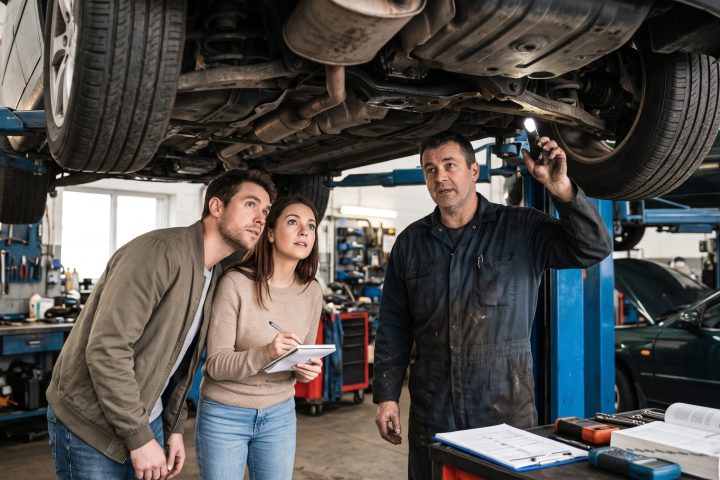
A good independent mechanic or reputable shop is worth finding before an emergency. Ask for explanations in plain language, request quotes in writing, and ask to see replaced parts. For big repairs, a second opinion is reasonable.
Car maintenance is about consistency, not complexity. Check the basics monthly, respond early to warning signs, and follow the schedule in your manual. A small investment of time and money now can prevent the kind of repair bill that ruins your month. Always check your own vehicle’s manual, since requirements vary by model.

Comments are for Silver members and up
Join the community to share your thoughts. Members keep the discussion friendly and spam-free.