
A used car can be an excellent value. Someone else has already absorbed the steepest depreciation, and a well-maintained vehicle can run reliably for many years. But the used market is also full of expensive surprises. Most bad purchases come from the same avoidable mistakes.
1. Falling in love before checking the facts
Salespeople and sellers know that emotion drives decisions. A shiny paint job and a great sound system can distract you from a worn engine. Decide your budget and requirements first, and be ready to walk away from any car that does not meet them.
2. Ignoring the total cost
The asking price is only the start. Add insurance, taxes, registration fees, fuel, and likely maintenance. A cheap car that guzzles fuel or needs expensive parts can cost more than a pricier, more efficient one.
3. Skipping the vehicle history report
Where available, a history report can reveal accident records, reported odometer readings, title problems, and past ownership. It is not perfect, since not every incident gets reported, but a car with a troubled history is a warning sign.
4. Not asking for service records
A car with a folder of receipts for oil changes, timing belt replacements, and repairs tells you the owner cared. A car with no records is a gamble. Ask how the previous owner used the car and why it is being sold.
5. Skipping an independent inspection
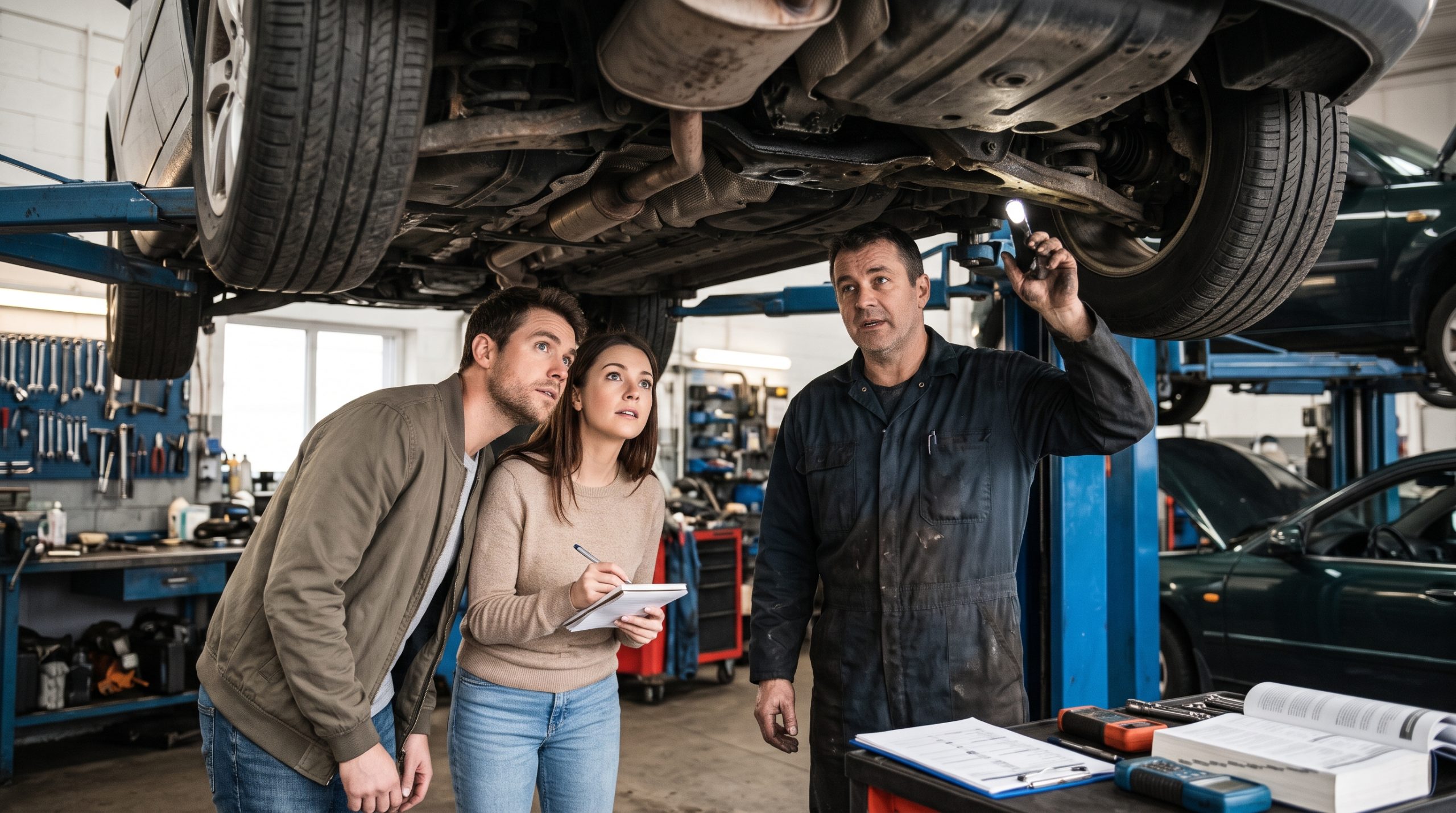
This is the most valuable money you can spend. Pay a trusted mechanic, not one recommended by the seller, to inspect the car before you buy. They can spot leaks, worn suspension parts, rust, uneven tire wear, and signs of previous crash repairs. If a seller refuses an inspection, treat that as a serious red flag.
6. Taking a quick, easy test drive
Do not just circle the block. Drive on different road types, including some bumps and some higher speeds. Listen for unusual noises, feel for vibrations, check that the car tracks straight, and test the brakes firmly in a safe place. Try every switch, window, light, and the air conditioning. Start the engine cold if you can, since some problems disappear once a car warms up.
7. Overlooking signs of hidden damage
Look for mismatched paint between panels, uneven gaps between body parts, overspray on rubber trim, and bolts with scratched paint, which can suggest repairs. A musty smell or damp carpets may point to flood damage. Check under the hood and under the car for rust and fresh oil.
8. Trusting the odometer blindly
Mileage matters, but how the car was used matters too. A car with high highway mileage can be in better shape than one with low mileage but many short city trips. Compare the wear on the pedals, steering wheel, and seats with the mileage shown. Heavy wear on a supposedly low-mileage car is suspicious.
9. Not negotiating
Most used car prices have room to move. Research similar cars in your area so you know what is fair. Use any issues found during inspection as legitimate negotiating points. Be polite but firm, and remember that your strongest tool is the willingness to walk away.
10. Rushing the paperwork
Before paying, confirm that the seller is the legal owner, that the identification numbers on the car match the documents, and that there are no outstanding loans or fines attached to the vehicle. Get a written agreement that spells out the price and what is included. Avoid paying large sums in cash without proper documentation, and be cautious of deals that seem too good to be true, since fraud is common in used car sales.
A simple checklist before you pay
Confirm the history, review the records, inspect with a mechanic, test drive thoroughly, verify the documents, and negotiate based on facts. If any step raises doubts you cannot resolve, move on. There will always be another car.
Buying from a dealer or a private seller
Dealers may offer warranties, financing, and some legal protections, but prices are often higher. Private sellers can offer lower prices, but you carry more risk and usually have fewer protections. Consider what matters more to you, and check the consumer rules in your area.
The best used car deals go to patient, prepared buyers. Do your homework, pay for an independent inspection, and never let pressure rush you. A few hours of careful checking can save you thousands later.
Comments are for Silver members and up
Join the community to share your thoughts. Members keep the discussion friendly and spam-free.