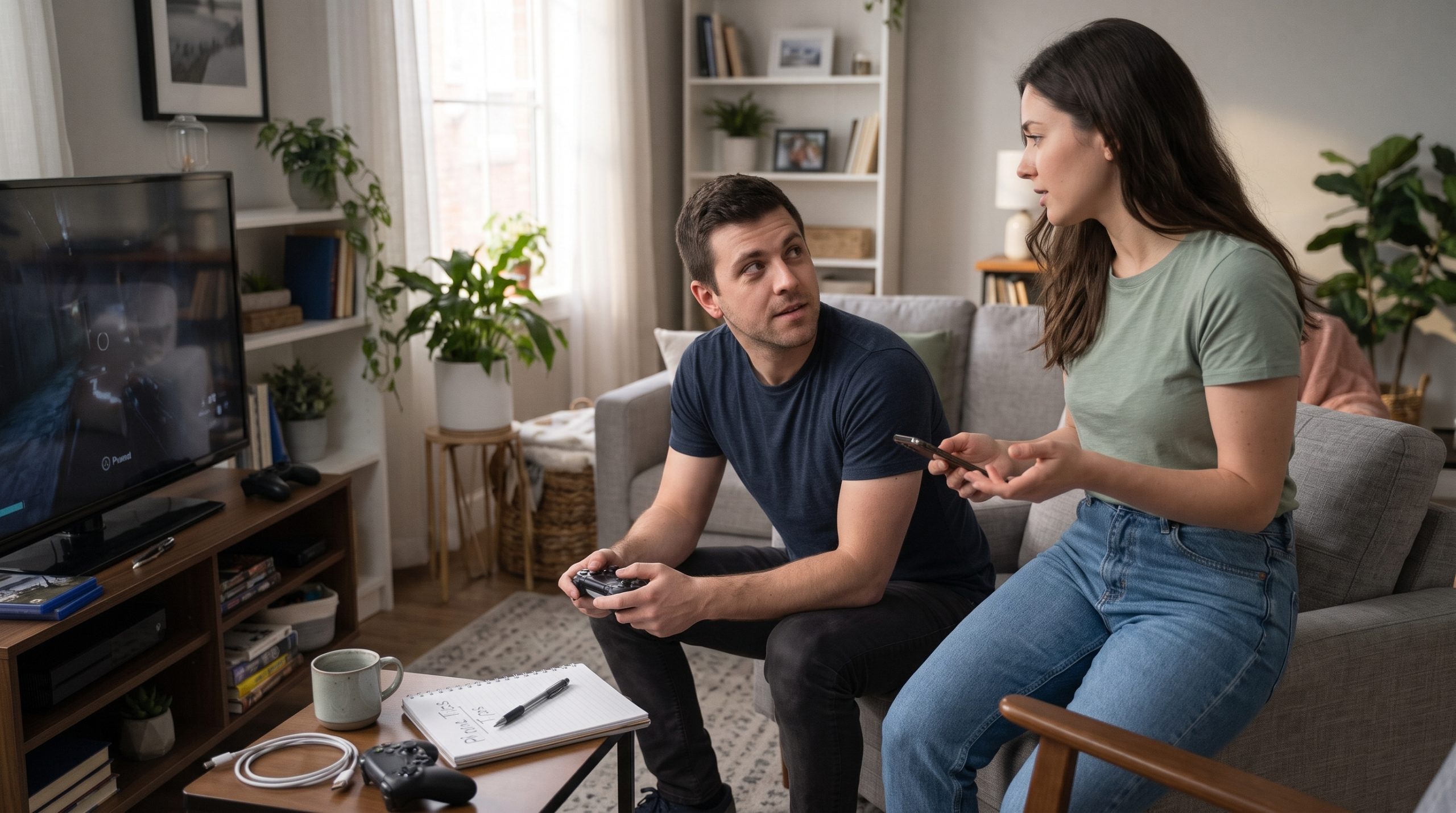
Is gaming good or bad for you? The honest answer is that it depends on what you play, how long you play and what else is going on in your life. Games can be fun, social and mentally engaging, but too much play can affect sleep, activity and mood. This article gives a balanced view and practical habits for healthy gaming.
Possible Benefits of Gaming
Fun and relaxation: many people use games to unwind.
Social connection: online and local multiplayer games can help people keep in touch with friends and meet new ones.
Problem solving and focus: many games involve planning, strategy and quick decisions.
Creativity: building and sandbox games let players design and experiment.
Research on gaming and the mind is ongoing and results vary by game type and player, so be cautious about big claims in either direction.
Possible Risks of Gaming
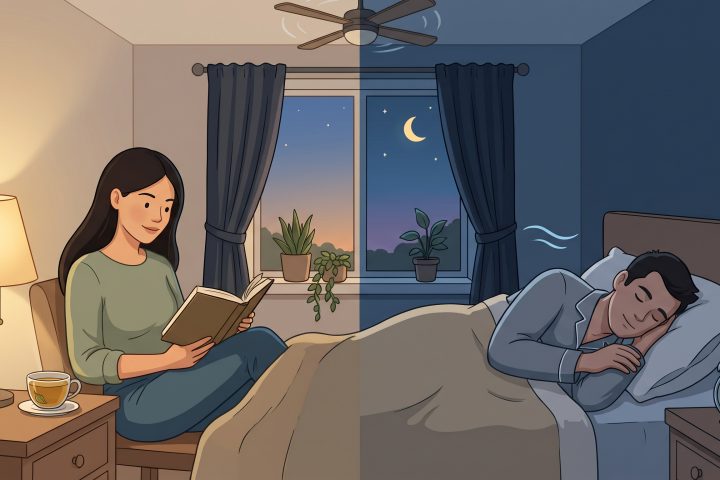
Too little sleep: late-night sessions can cut into rest. See how to sleep better.
Too little movement: long hours of sitting are linked to health risks. Our guide to exercise for beginners offers an easy way to add activity.
Eye strain, headaches and sore muscles: from staring at screens and sitting in one position.
Stress and frustration: competitive games can raise tension.
Spending: in-game purchases and loot boxes can lead to overspending.
Unhealthy patterns: for some people, gaming can start to interfere with work, school, relationships or health.
Gaming Disorder: When It Becomes a Problem
The World Health Organization includes “gaming disorder” in its International Classification of Diseases. It describes a pattern of behaviour in which a person loses control over gaming, gives it priority over other activities and continues despite negative consequences. This affects only a minority of players, and a professional assessment is needed to diagnose it. Please verify the current wording on the WHO website before quoting it.
Warning Signs to Watch For
You cannot cut down even when you want to.
Gaming replaces sleep, meals, school, work or time with people.
You feel irritable or anxious when you cannot play.
You hide how much you play, or keep playing despite problems it causes.
If these sound familiar, speak with a doctor or a licensed mental health professional.
Premium · Gold
Continue reading with a membership
This is a premium story. Choose a plan to unlock it, along with every story like it.
Silver
$4.99/ month
Silver premium articles
Silver member badge next to your name
Members Forum — post, reply & join the talk
No ads
Write up to 5 articles
Spark Content — sell up to 5 digital products
Send a Spark — your own page to get tips from fans
Not included in this story
Most popular
Gold
$9.99/ month
Silver + Gold premium articles
Gold member badge next to your name
Members Forum — post, reply & join the talk
No ads
Write up to 20 articles
Spark Content — sell up to 20 digital products
Send a Spark — your own page to get tips from fans

Comments are for Silver members and up
Join the community to share your thoughts. Members keep the discussion friendly and spam-free.