



Towven.com – Ancient medicine does not begin in a laboratory. It begins on a hillside, with a hungry person staring at a pile of green leaves and no way to know which ones would heal and which ones would kill. Every herb, tea, and pill you trust today passed a test long before it reached you, and that test was paid for with human bodies.
Picture a Tuesday afternoon. You have a headache, so you swallow a small white pill without a second thought. This article explains the deadly trial and error that shaped ancient medicine, and how our ancestors learned which plants heal, long before anyone wrote a label.
A Hillside Full of Chemical Weapons
Imagine standing in a forest two hundred thousand years ago. A berry looks like a berry, a root looks like a root, and a harmless leaf can grow right beside a deadly one, sometimes looking almost identical.
Plants cannot run, fight, or hide, so they fight with chemistry. Over hundreds of millions of years, plants evolved thousands of chemical weapons. Some taste terrible, and some shut down the nerves, the liver, or the heart. Alkaloids such as caffeine, nicotine, and morphine act on the nervous system. Cyanogenic glycosides release cyanide when the plant is chewed or crushed. That is why poisonous plants and medicinal plants so often grow side by side, and sometimes share the same chemistry.
This is the foundation of ancient plant medicine. The plant is not trying to feed you. The plant is trying to survive you. And yet your ancestors learned to turn those weapons into cures.
The Tongue and the Gut: Two Ancient Alarms
Their first tool was not intelligence. It was the tongue. Humans carry about two dozen bitter taste receptors, tiny sensors that fire an alarm when they touch certain molecules. The link between bitter taste and poison is built into the body, which is why a baby grimaces at a bitter flavor before anyone has taught that baby anything.
It was a crude system. Not everything bitter is deadly, and some of the deadliest things in nature taste mild. The tongue could give a warning, but not an answer.
The second filter was the gut. Nausea, vomiting, and diarrhea work as an emergency exit, and your brain links that food with misery for years afterward. Together, these two alarms formed the earliest layer of hunter-gatherer plant knowledge, built into the body itself.
Clues Left Behind by Neanderthals and Ötzi
Some of the best clues about early human medicine are written in bones, teeth, and ice.
In one Neanderthal, researchers found traces of two bitter plants, yarrow and chamomile. Neither is nutritious, and neither tastes pleasant, yet there they were, chewed and kept.
Another Neanderthal, a young man with a painful tooth abscess, carried traces of poplar, a tree that contains a natural cousin of aspirin. Scientists are careful here, because nobody can prove these individuals knew exactly what they were doing. But the pattern is hard to ignore: a sick person, and a plant that happens to help.
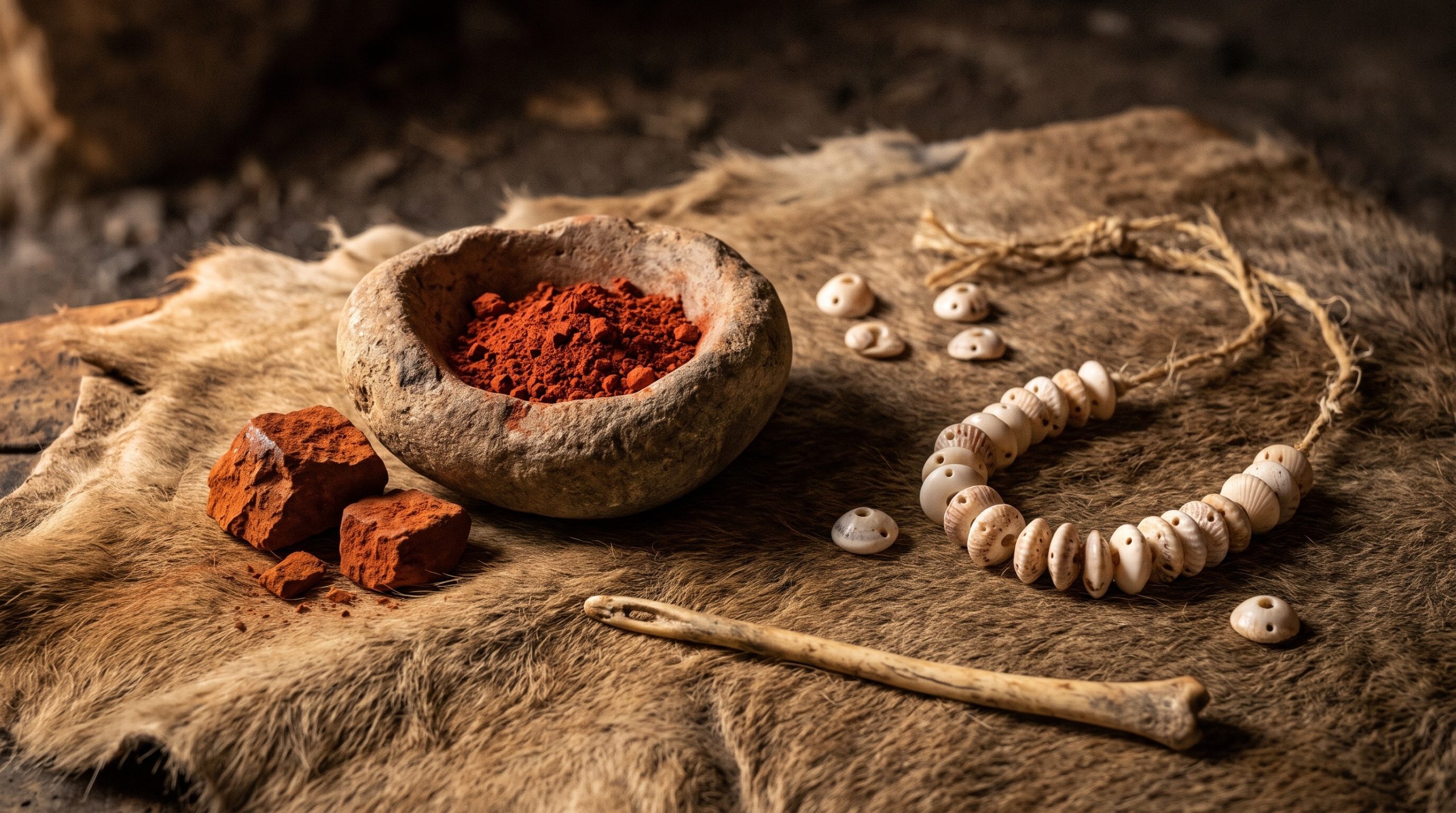
Then there is Ötzi, the frozen man found in the Alps, who died about five thousand three hundred years ago. He carried pieces of birch polypore, a bracket fungus with compounds that can act against parasites, and his body held whipworm. Researchers suspect Ötzi carried a first-aid kit.
Why Trial and Error Was Not Enough
On its own, trial and error in ancient medicine sounds simple. Eat something, and if you live, it is safe. But if that were really how it worked, our ancestors would have vanished.
Some poisons do not act quickly. The death cap mushroom tastes mild, even pleasant. Hours pass, the first sickness fades, and the person feels better.
Then the liver begins to fail. By the time the danger shows itself, the meal is long forgotten, and cooking does not destroy the poison. Water hemlock, one of the most toxic plants in North America, has roots that can look like wild parsnip.
If every person had to learn by tasting, whole families would have been wiped out one meal at a time. So the real answer must be something different, and it is the most surprising part of the story.
Cultural Learning: The Greatest Human Advantage
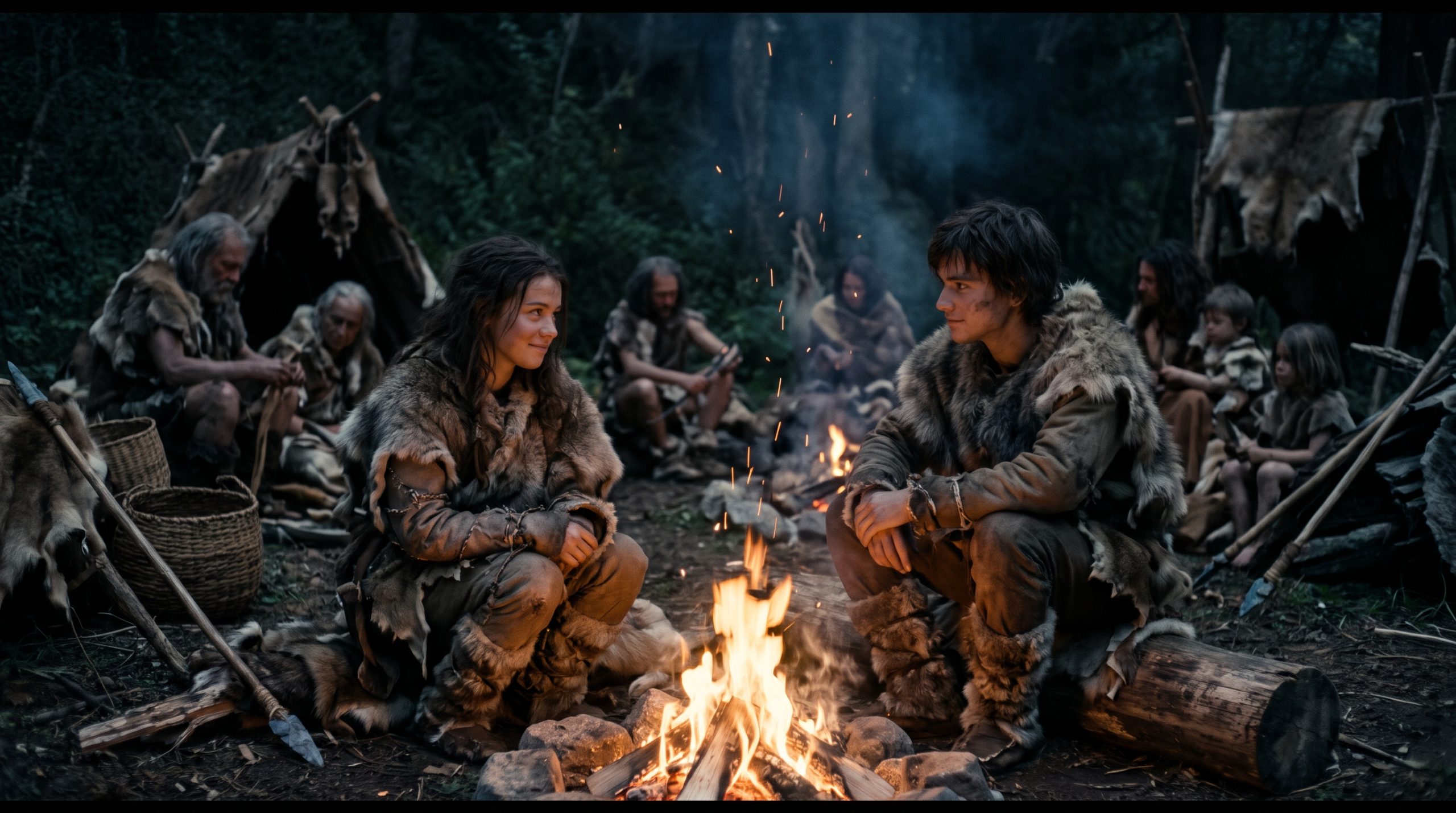
Our ancestors did not learn alone. They learned together. Anthropologists study cultural learning and survival side by side, because knowledge passed from person to person, instead of being rediscovered by each one, may be the single greatest advantage humans ever developed.
A child does not need to test a poisonous plant. A child watches an adult avoid it, listens to a story about the person who ate it, and hears a warning that may carry the memory of a death from a hundred years earlier. One person’s fatal mistake became everyone’s survival lesson.
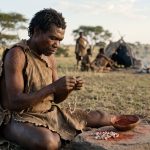
Anthropologists have studied hunter-gatherer groups who can name hundreds of plants, along with which ones feed, which ones heal, and which ones kill. Children begin learning this in early childhood, and the elders keep the deepest knowledge. A grandmother was not just family. She was a living library.
Knowledge Without Explanation
Here the story takes a turn almost nobody expects. Often, the people following these rules did not understand why the rules worked. This is traditional plant knowledge at its most powerful.
Consider cassava, a starchy root that feeds hundreds of millions of people today. Bitter varieties contain cyanide-releasing chemicals and can poison you if eaten raw. For generations, Indigenous peoples in the Amazon have grated, soaked, pressed, and roasted it, and every step removes poison.
Many who follow the process cannot explain the chemistry. They simply say that if you skip a step, people get sick. When families in parts of Africa shorten the process during famine or war, a paralyzing disease called konzo can follow. The plant traveled. The knowledge did not.
Corn tells a similar story. People in the Americas traditionally soaked corn in ash or lime water, which unlocked a vitamin the grain otherwise keeps locked away. When corn spread across Europe without that step, people who relied on it developed pellagra, a terrible disease. Culture was a kind of invisible science, passed along without the explanation.
The Dose Makes the Poison
Now comes the most uncomfortable twist. Poison and medicine are not two different categories of plants. They are the same thing, and the only difference is how much. Centuries ago, the physician Paracelsus put it simply: the dose makes the poison.
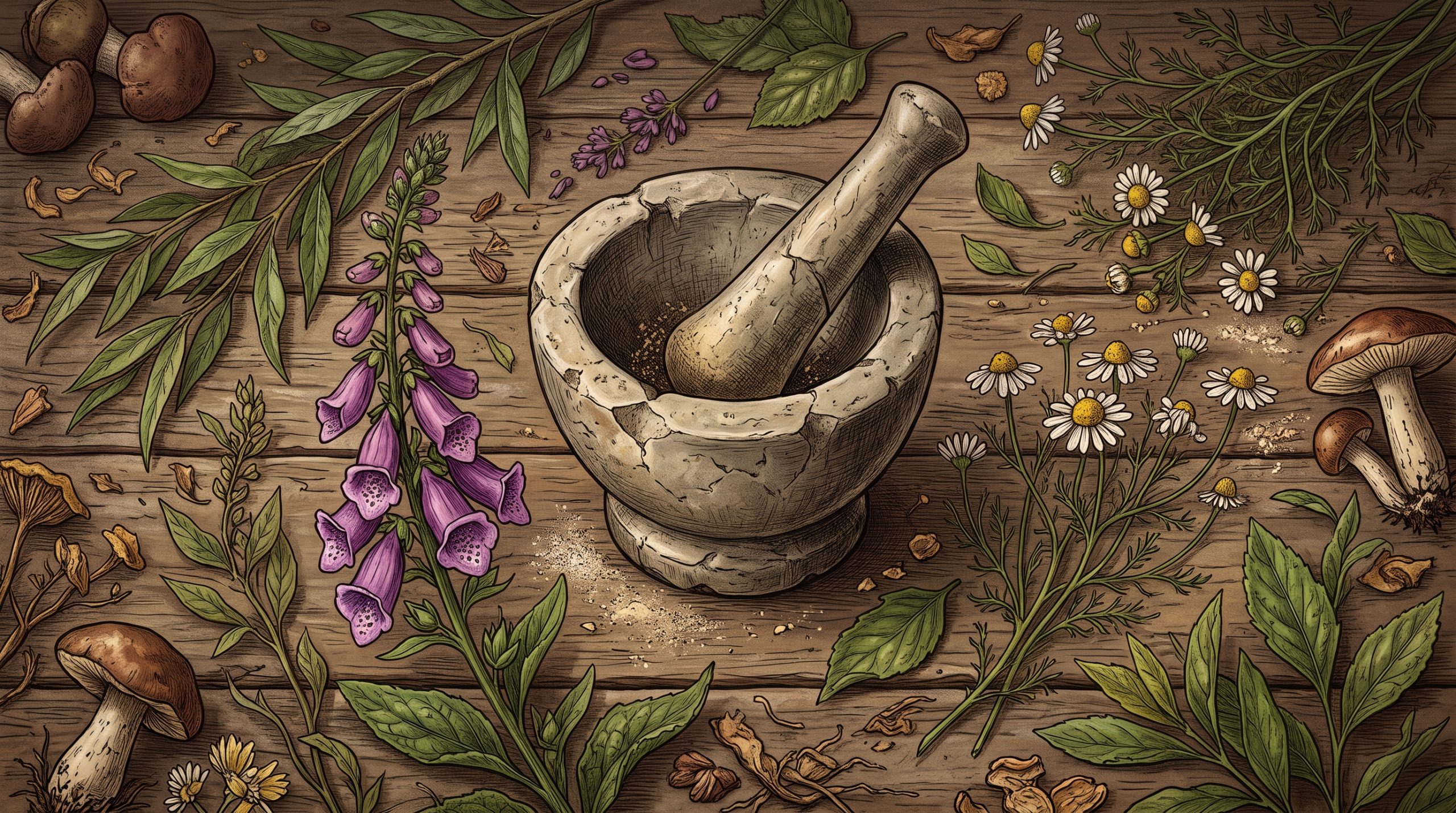
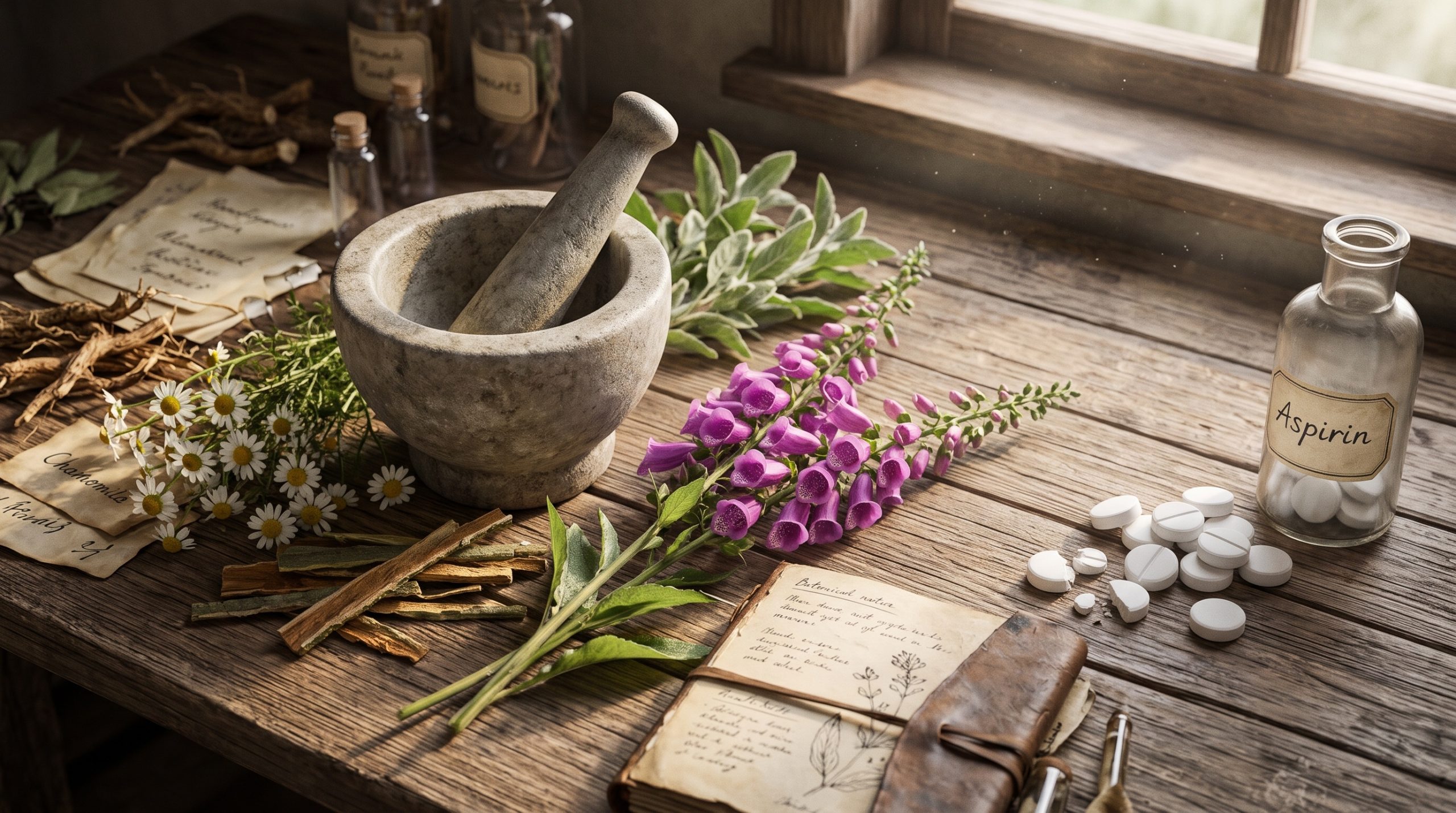
Take the foxglove, a purple flower. Every part of it is poisonous, and eaten carelessly it can stop your heart. In 1785, a doctor named William Withering heard about a village herbal remedy from Shropshire, England, and spent years testing doses of its key ingredient.
A tiny amount could steady a failing heart, and a slightly larger amount could kill. A medicine derived from that same plant is still used in hospitals today.
The other side of human knowledge shows the same pattern. Hunters in the Amazon coated their arrows with curare, a plant extract that paralyzes muscle, and today close relatives of that chemical help doctors relax muscles safely during surgery. Our ancestors were not just herbalists. They were chemists of danger, learning the dose.
From Willow Bark to Aspirin
That knowledge slipped quietly into the modern world, and the origin of aspirin shows exactly how. Around four thousand years ago, writers in ancient Sumer recorded the use of willow, and Hippocrates later recommended chewing willow bark for pain. Willow carries salicin, which the body turns into a compound that calms pain and fever.
In 1897, a chemist named Felix Hoffmann at Bayer created a modified version, and two years later it reached the market as aspirin.
The history of herbal medicine holds more examples. In the Andes, people used cinchona bark to treat fevers, and after the bark traveled to Europe in the 1600s, scientists isolated its active ingredient, quinine.
In the 1970s, Chinese scientist Tu Youyou found a text roughly seventeen hundred years old describing sweet wormwood, with a strange instruction to soak the plant in cold water. Her early experiments with heat failed because heat destroyed the active compound.
When she followed the old instruction, it worked. That compound, artemisinin, has saved millions of lives, and in 2015 she won a Nobel Prize.
What Your Kitchen Still Remembers
Your kitchen carries the same inheritance. Why do you drink coffee, a bitter drink a child would spit out? Because your brain overrode the alarm, learning through repeated reward that this bitterness comes with a payoff. The warning stayed, but the meaning changed.
Why is your spice rack full of chili, garlic, ginger, and turmeric? Researchers who examined thousands of traditional recipes found that dishes from hotter climates used far more spices, and many spices can fight bacteria.
Food spoils faster in heat, so people who spiced their food survived more often. Your favorite dish may be a medicine that learned how to taste good.
Conclusion: You Inherited It
The natural world was never built for you. Those plants are not gentle, and they are not waiting to heal you. Ancient medicine is the story of a truce, negotiated by your ancestors over hundreds of thousands of years, and it survives only as long as the knowledge survives. When an elder dies without teaching someone, the library burns.
None of this is a field guide, so never eat a wild plant or mushroom on the strength of an article. The people who survived learned from experts they trusted, and that is still the only safe way to learn.
Back at the drawer, you swallow the pill. But now you know this small moment of trust was built from fevers, funerals, and mistakes, and from a chain of people who handed their hardest lessons to the next person. You did not discover what is safe. You inherited it. So the next time you trust something without thinking, ask yourself one question: who paid for it?